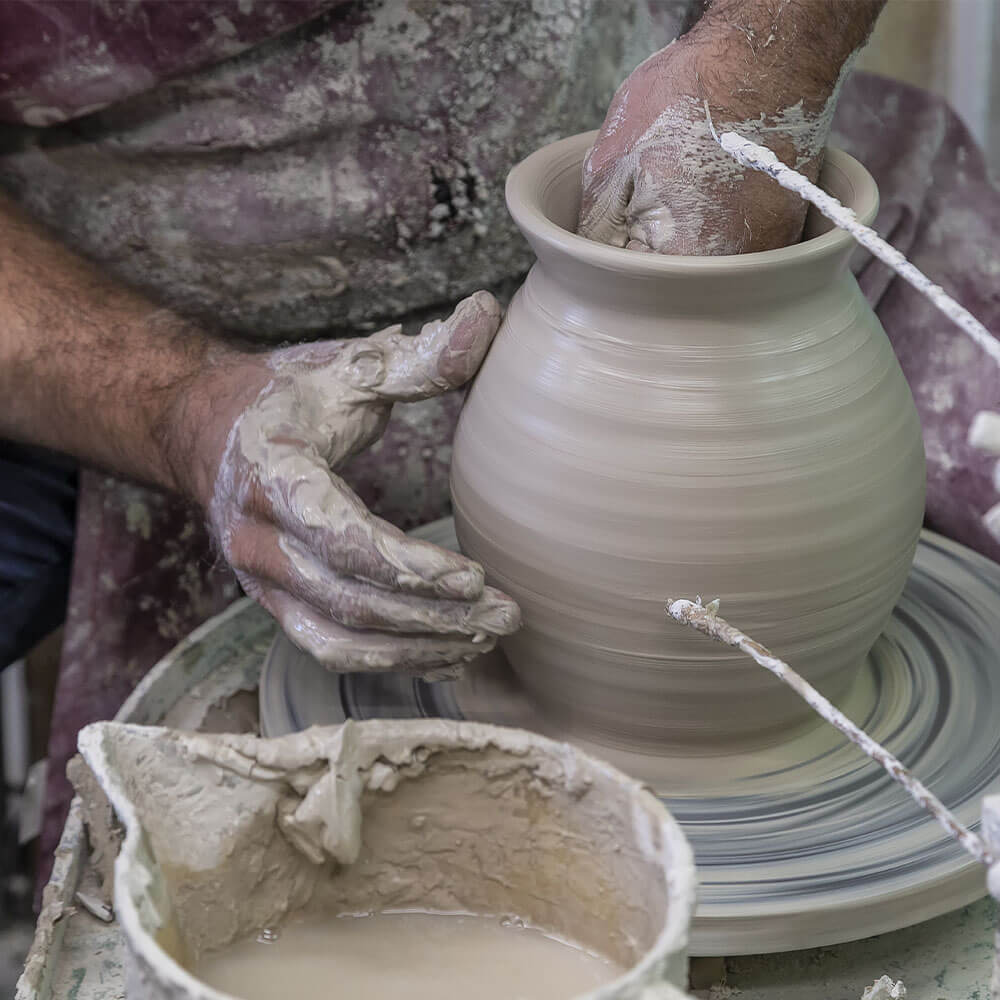
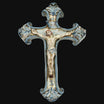
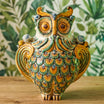
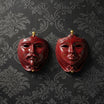
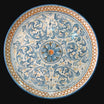
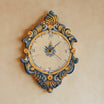
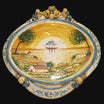
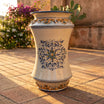
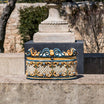

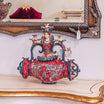
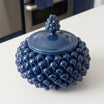
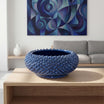


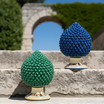
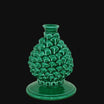
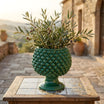
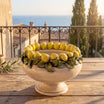
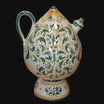

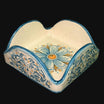

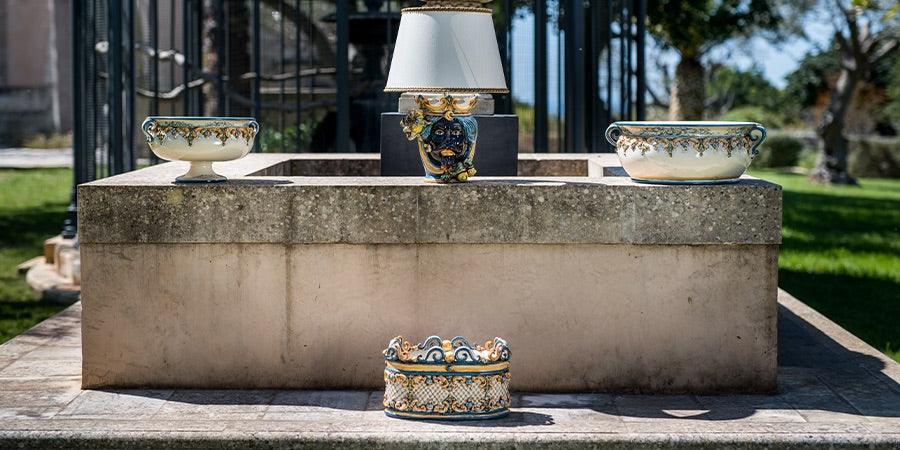
Sicilian ceramics are true symbols of a rich, ancient culture rooted in the history of this sunny island. In this article, we explore the ceramics tradition in Sicily, focusing specifically on the historic city of Caltagirone, world-famous for its ceramic creations.

History of Ceramics in Sicily
The ceramic tradition in Sicily dates back to ancient times, influenced by the various rulers that ruled the island. Phoenicians, Greeks, Romans, Arabs, Normans, and Spanish all left their mark on Sicilian culture, enriching it with diverse techniques, styles, and decorative motifs. This cultural fusion created a unique artistic language, particularly evident in ceramics. Read the full article on the History of Ceramics
Caltagirone: Heart of Sicilian Ceramics
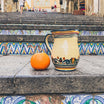
Caltagirone is one of Sicily's most vibrant ceramic centers. The city is known for its "Scala di Santa Maria del Monte," adorned with majolica tiles representing various styles and periods, a living tribute to the city's ceramic tradition. Caltagirone's ceramic production has ancient origins, dating back to the pre-Hellenistic era, and reached its peak during the Baroque period, when demand for decorative ceramics was at its peak.
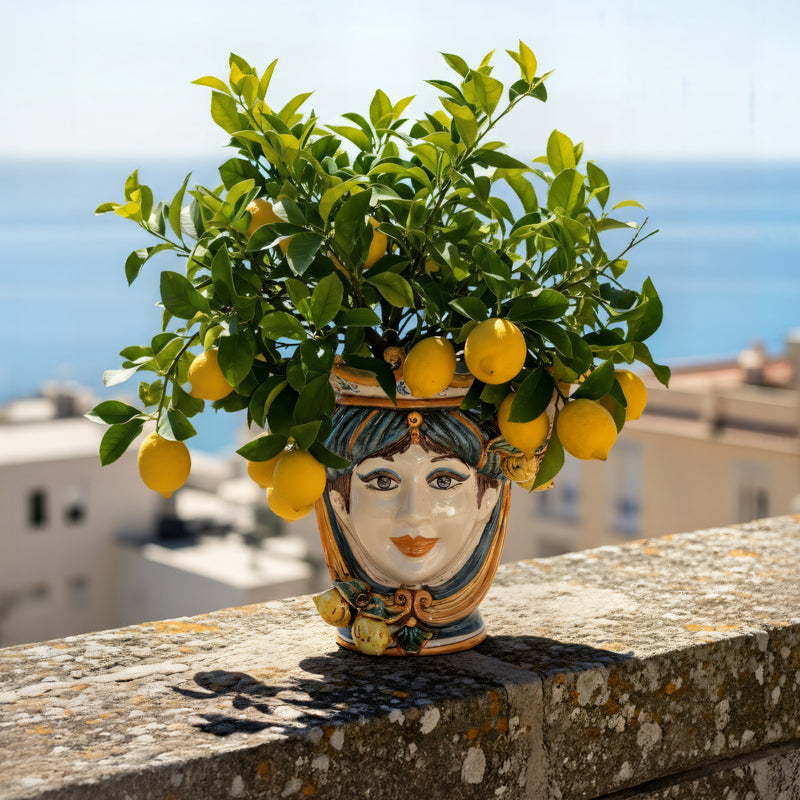
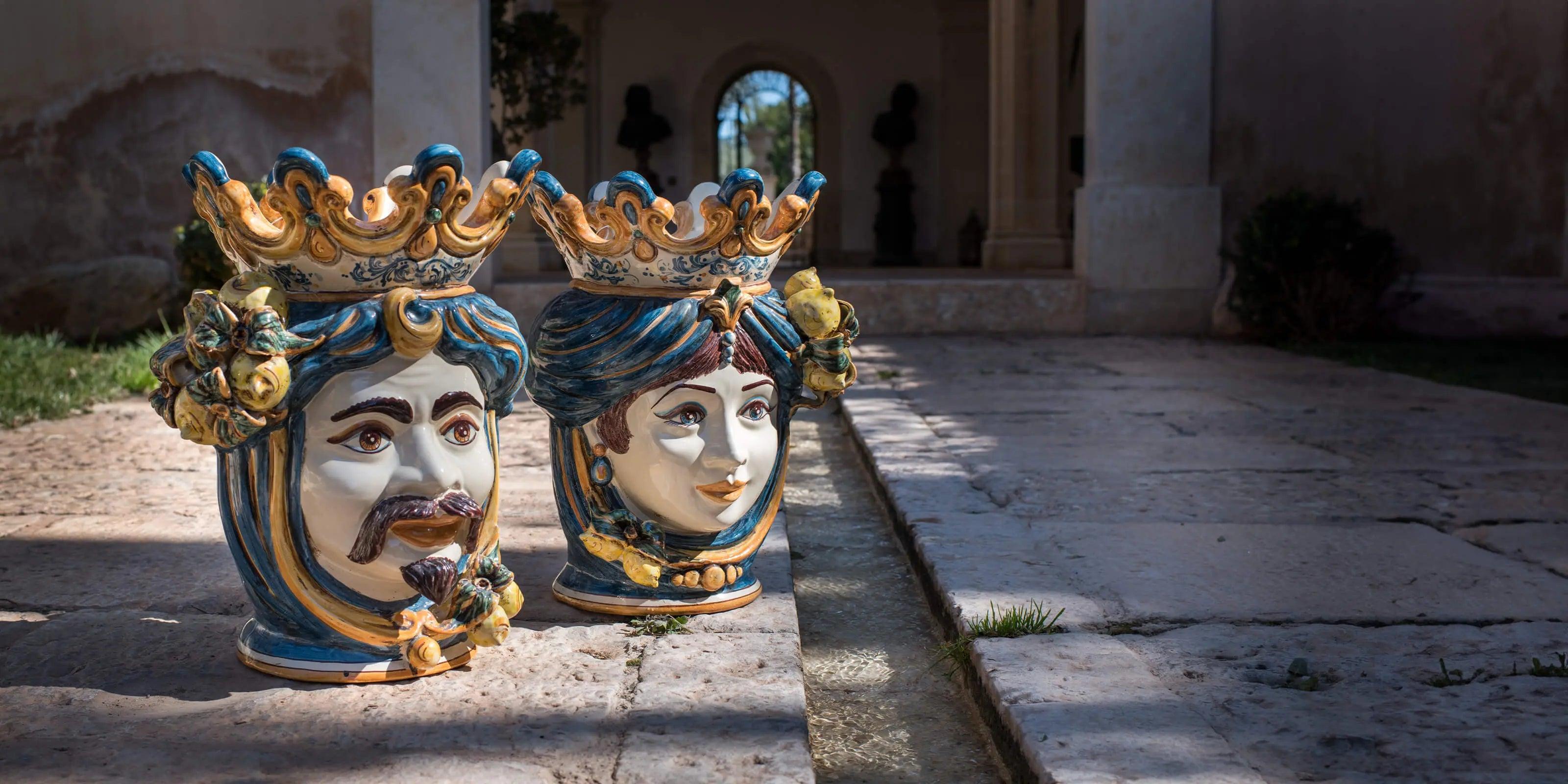
Sicilian Moor's Head with Lemons H 25 cm / 9.8", Woman, Blue and Orange – Testa di Moro from Caltagirone, Sicily
Acquista ora
Sicilian Head Vase H 25 cm / 9.8", Woman, Green and Orange – Testa di Moro from Caltagirone, Sicily
Acquista ora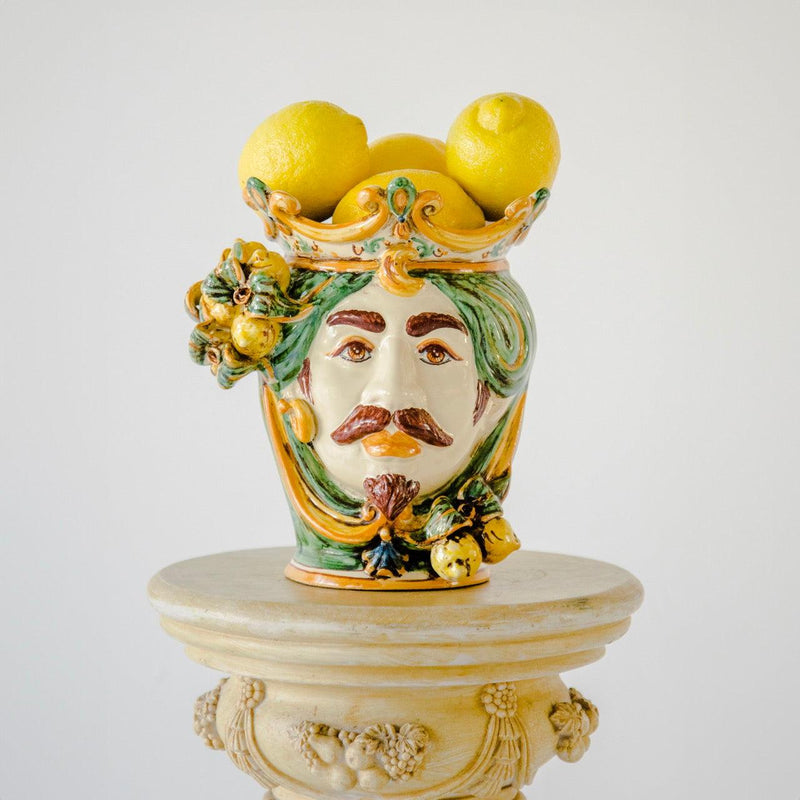
Sicilian Moor's Head with Lemons H 25 cm / 9.8", White Man, Green and Orange – Testa di Moro from Caltagirone, Sicily
Acquista ora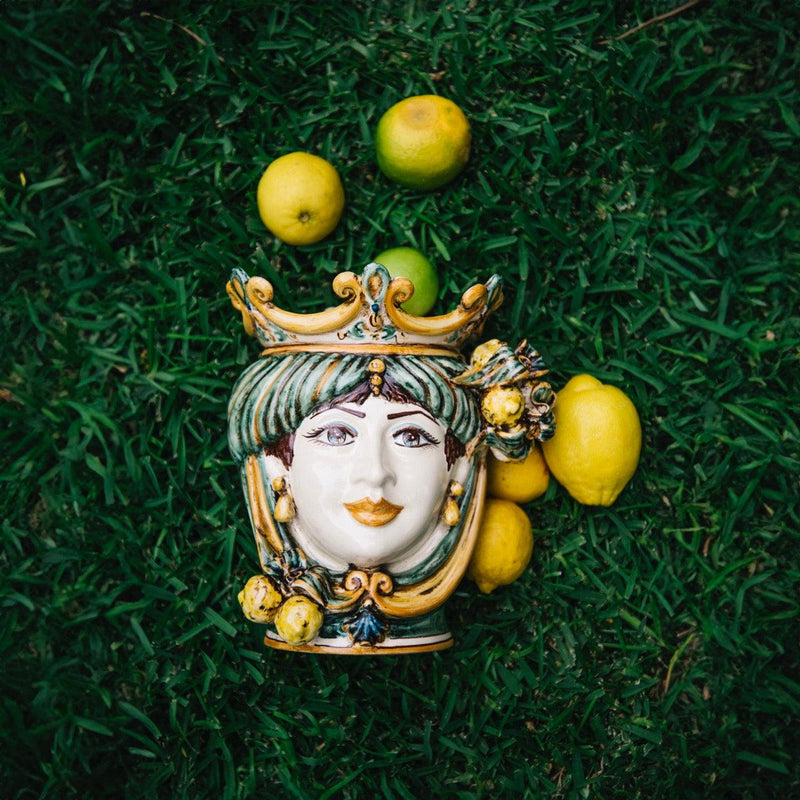
Sicilian Head Vase with Lemons H 25 cm / 9.8", Woman, Green and Orange – Testa di Moro from Caltagirone, Sicily
Acquista oraWhy are Caltagirone ceramics famous?
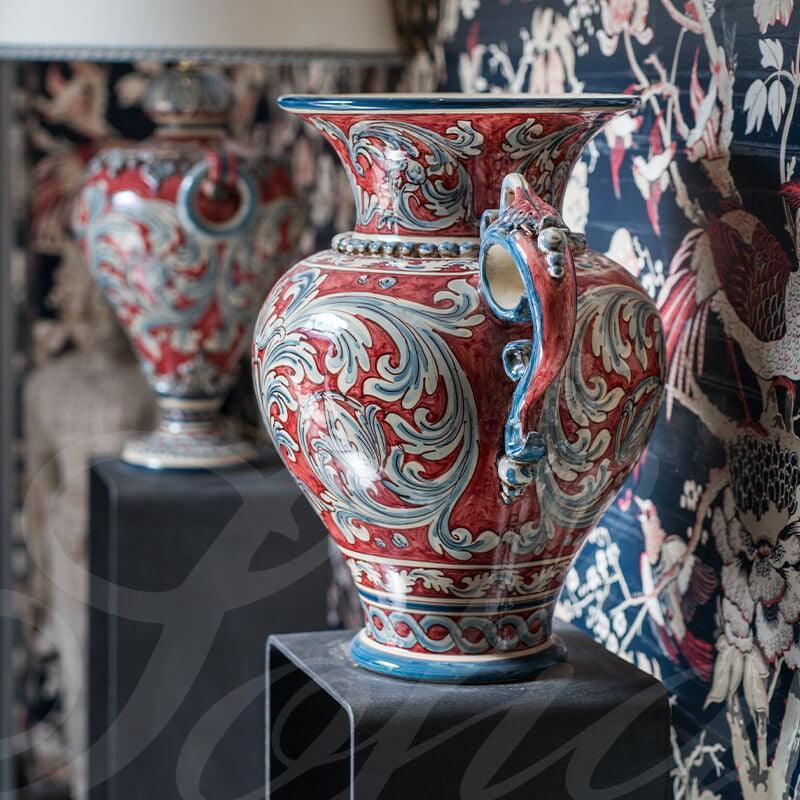
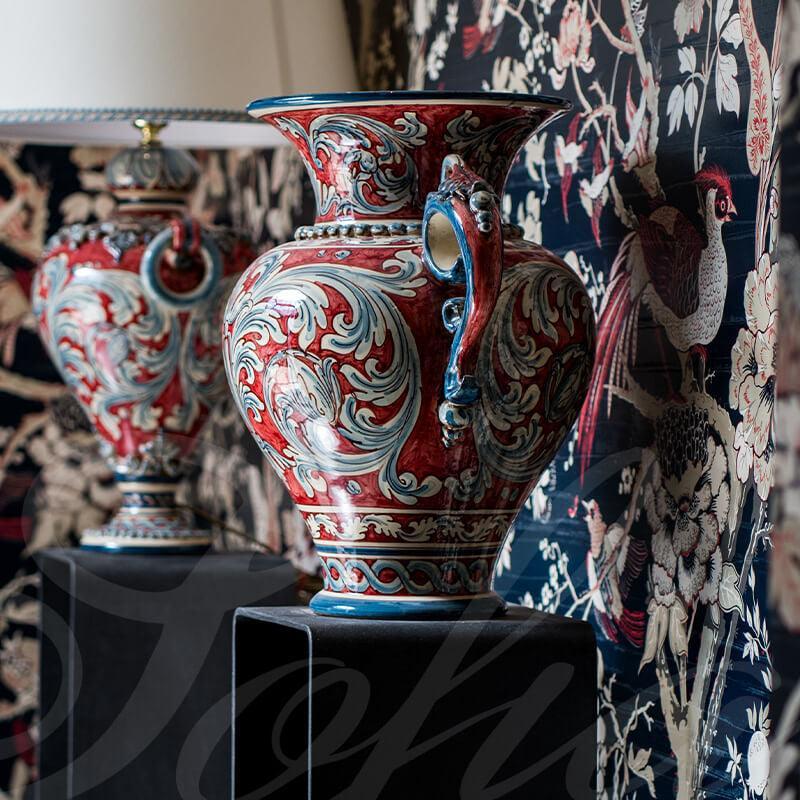
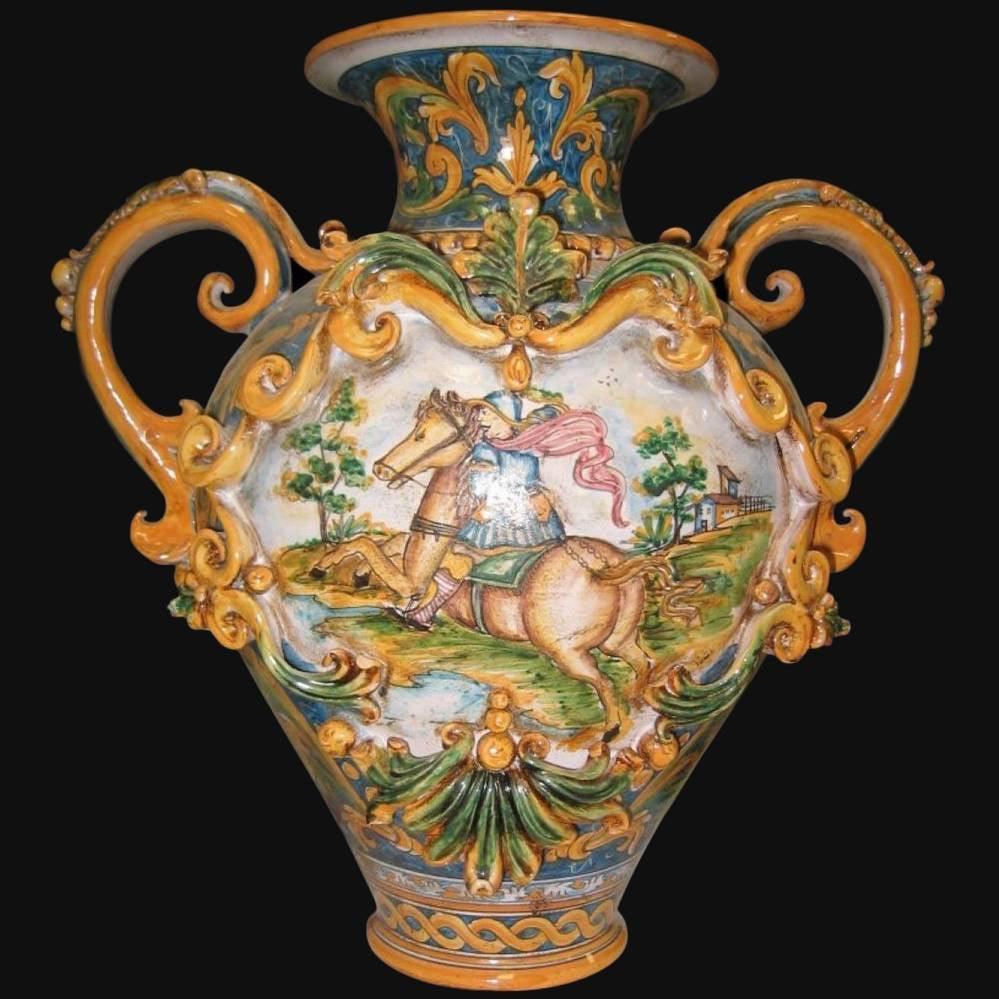
Caltagirone ceramics are renowned for their artisanal quality and rich decorative motifs, combining influences from various cultures. Each piece is unique and handmade, using techniques passed down through generations. Furthermore, Caltagirone is distinguished by its variety of styles and colors, ranging from naturalistic to geometric and arabesque designs, making these ceramics true works of art. The monumental staircase of Santa Maria del Monte, clad in colorful majolica, is one of the most emblematic examples of this tradition and attracts visitors from around the world.
Techniques and Motifs
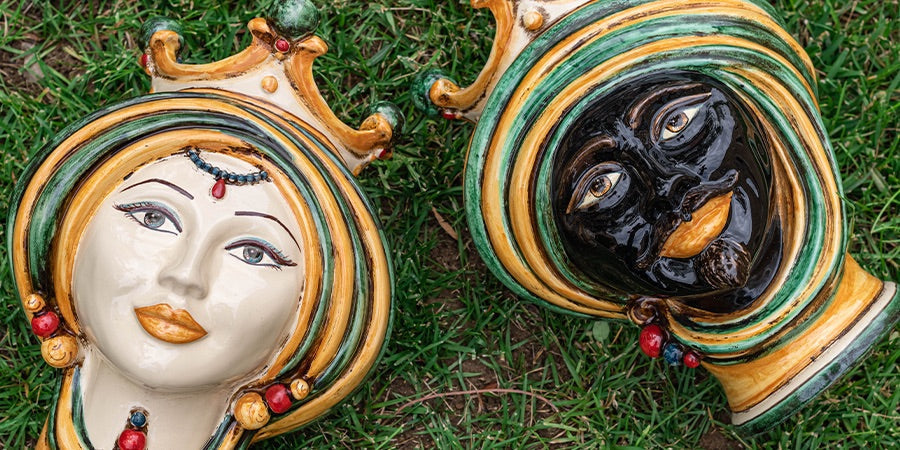
Caltagirone's ceramics techniques are a legacy of centuries of experimentation and cultural influences. The process involves working the clay, decorating it by hand, and firing it in specialized kilns. Traditional motifs include naturalistic elements such as leaves, flowers, and fruit, as well as Arabic geometric patterns and historical or mythological figures, which tell stories of Sicily.
Cultural and Economic Importance
Beyond their aesthetic value, Sicilian ceramics are an important economic driver for the region. They attract tourists and art lovers from around the world, contributing significantly to the local economy. Museums and artisan workshops offer insight into the complexity of this craft and the skill of Sicilian artisans.

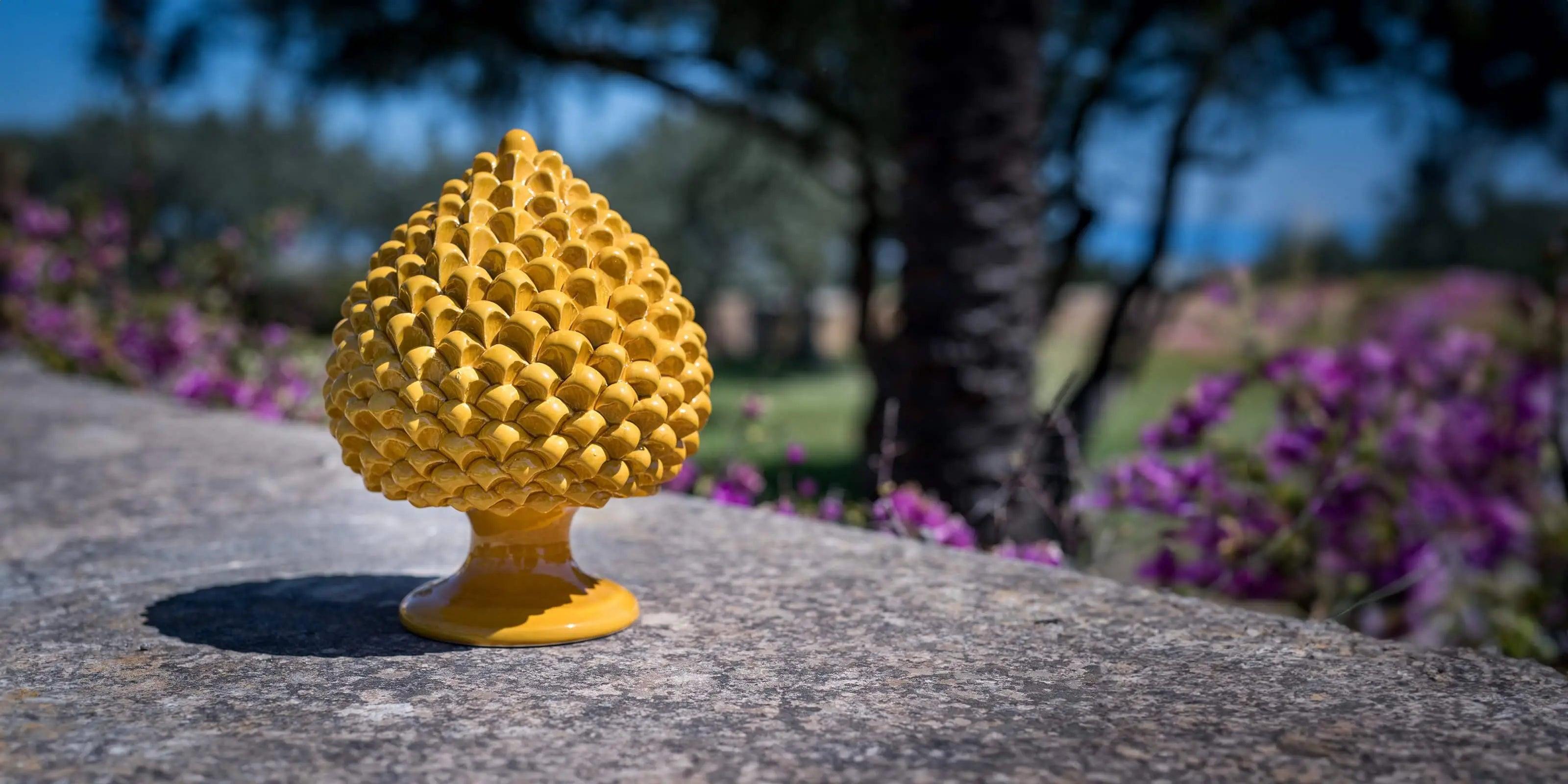
Sicilian ceramics from Caltagirone, and especially those from Caltagirone, are more than just decorative objects; they are the custodians of a rich and varied history, witnesses to centuries of cultural and artistic exchange. They represent an invaluable heritage that continues to influence and inspire the world of contemporary art and design.

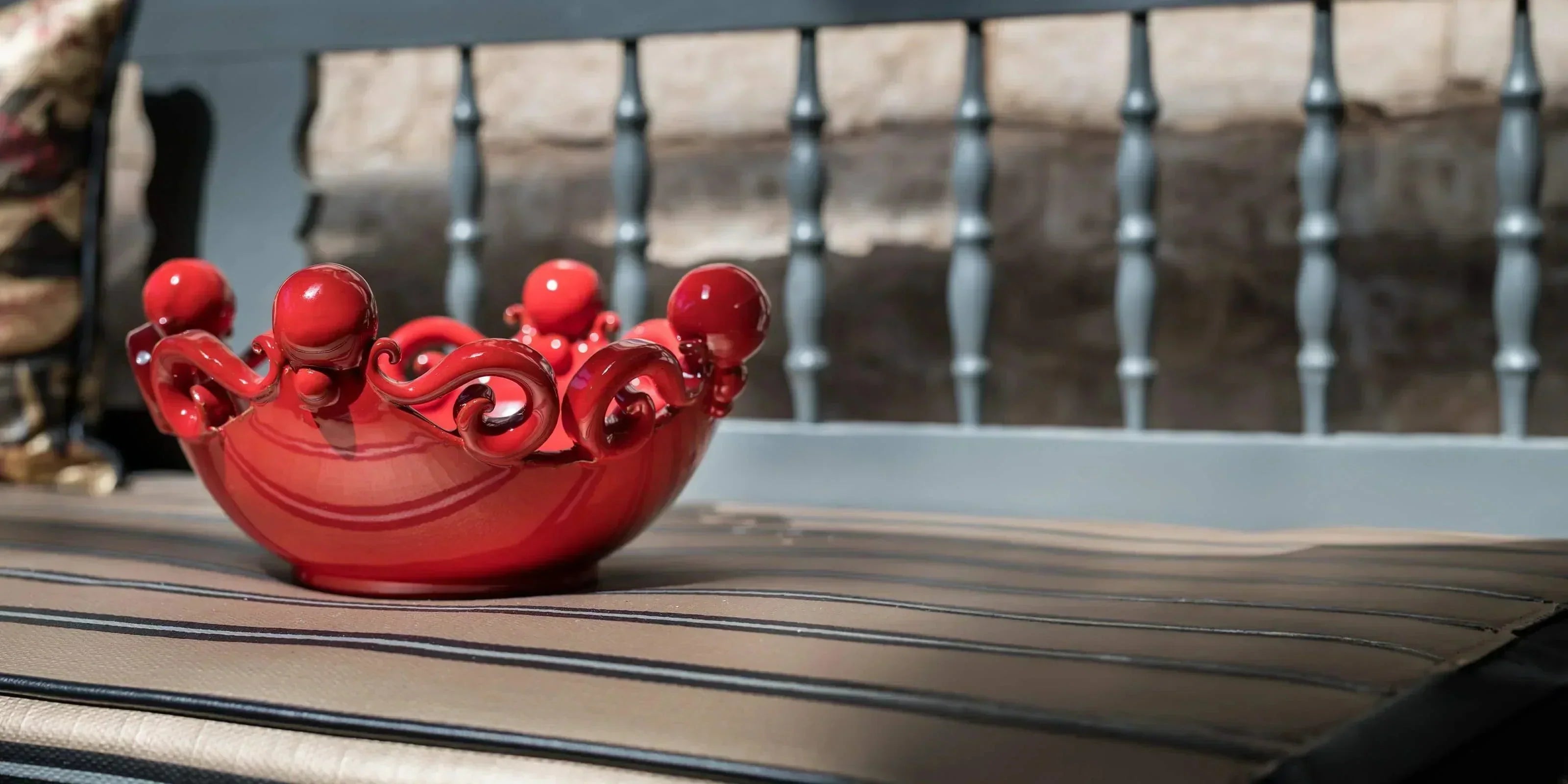
Oval Box with Swirls 31×20 cm / 12×8", Plastico Sofia, Tricolore – Italian ceramic from Caltagirone, Sicily
Acquista ora
Italian Decorative Cachepot, Plastico Sofia, Tricolore – Italian ceramic from Caltagirone, Sicily
Acquista ora
Potiche Vase with Pedestal H 38 cm / 15", Plastico Sofia, Tricolore – Sicilian majolica handcrafted in Caltagirone
Acquista ora





Comment
Note: comments must be approved before being published.
This site is protected by hCaptcha and the hCaptcha Privacy Policy and Terms of Service apply.